16 weeks
A longer build
More runway to develop endurance and establish a steady training routine. Still choose a volume that fits your current base.
42 KM · SKATE · SWITZERLAND
Prepare for the high valley glide from Maloja to S-chanf with structured skate endurance work and a week you can adjust.
Choose your training volume and technique during setup.
The Engadin Skimarathon is Switzerland's largest mass-participation winter event and one of the biggest cross-country ski races in the world, first held in 1969. The 42 km freestyle course runs from Maloja through Sils, Silvaplana and St. Moritz to the finish in S-chanf, at roughly 1,800 metres above sea level. Preparation combines aerobic endurance, efficient skate technique and double poling, disciplined pacing in thin air and practiced fueling. LoppetLab helps you organise that work with week-by-week templates, workout swaps and race-date scheduling.
Independent training app, not an official race programme. Race formats and routes can change; always check the organiser’s current information.
FIND YOUR STARTING POINT
For recreational skiers who train consistently and want structure for their first long race. The fast, smooth valley course is an attractive first marathon, but 42 km at altitude is still a substantial goal and a short plan is not a substitute for a training base.
For skiers with a previous loppet or regular long skis behind them who want to organise endurance, harder sessions, strength and recovery around their week.
The Engadin is raced in mid March, after the mid-season classics. If you are building toward several loppets, check how an altitude week fits your season and your recovery.
The setup recommends a template using your race date and profile. These are general starting points, not three different promises of race readiness.
16 weeks
More runway to develop endurance and establish a steady training routine. Still choose a volume that fits your current base.
12 weeks
For regular skiers with consistent recent training who want structure for the months leading into race day.
8 weeks
For skiers with an established base and less time before the race. Not a shortcut from no training to marathon readiness.
More than 16 weeks to go? Build your aerobic base before the race block. Starting early can leave a gap before scheduled sessions begin; that gap is not automatically filled with a base-building plan.
Engadin Skimarathon is carried into signup as your selected race. You choose the plan during setup.
01
Keep easy sessions comfortable and extend long outings gradually from what you already tolerate. Consistent weeks matter more than one oversized training day.
02
The valley is fast and smooth, so efficient skate stride and strong double poling decide how much you have left late. Work on flat-ground speed, gentle-uphill strides and long poling blocks.
03
At about 1,800 metres the early descent feels easier than it is. Practise holding back in long sessions so the glide through Sils and Silvaplana does not spend the fuel you need near S-chanf. Check the organiser's current course, start waves and cut-off information.
General preparation guidance, not personalised coaching or medical advice. Adjust training to your experience, recovery and health.
Choose your race, review a suitable template and organise your sessions. Swap workouts and move them yourself as your week changes.
Race information source
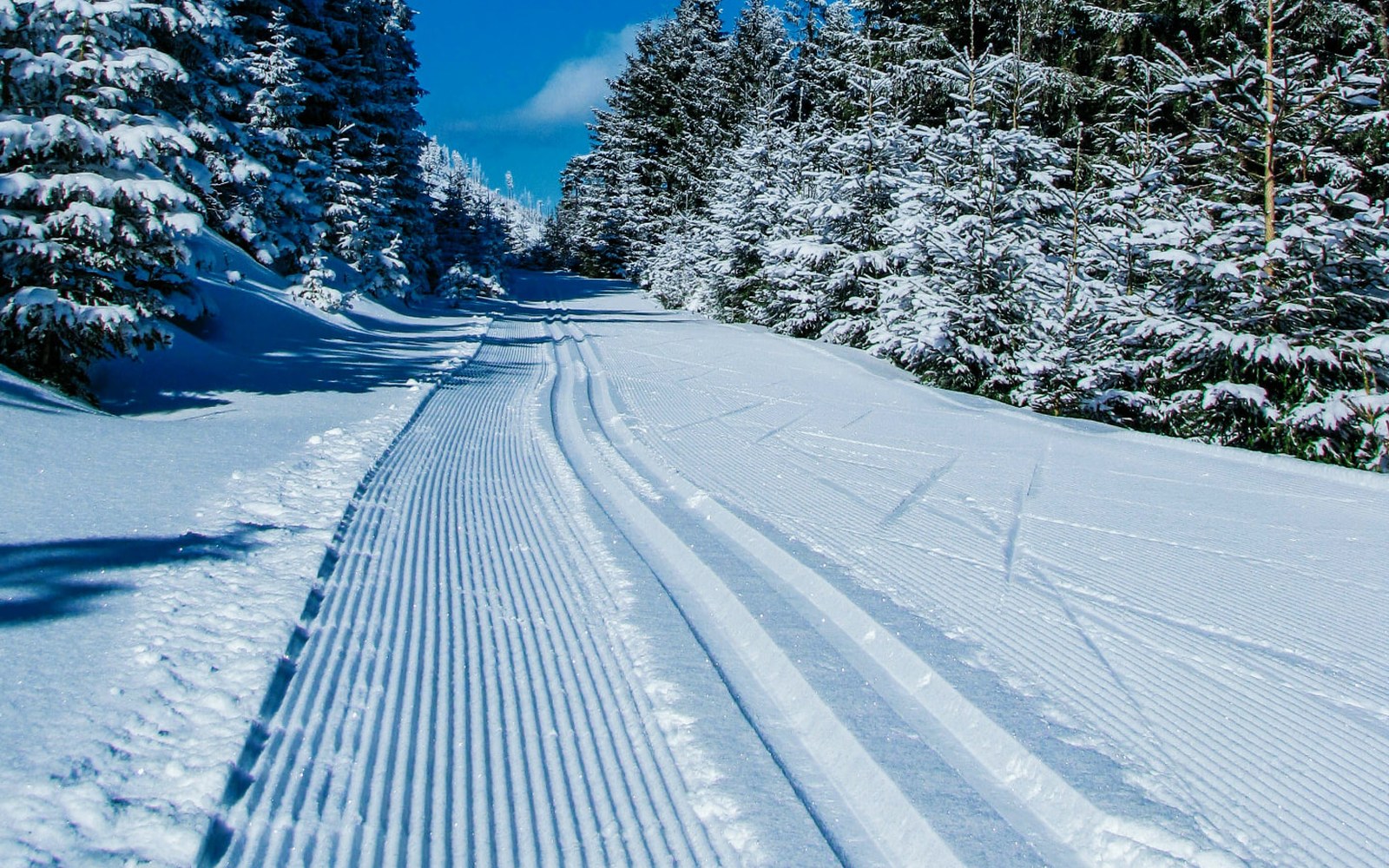
Official Engadin Skimarathon event information (opens in a new tab)Race facts checked October 14, 2026. The trail photograph is illustrative, not a photograph of the race course.